The History of Happy Valley Farms: From Estate to Dairy, Equestrian Legacy, and Beyond
Happy Valley Farms in Rossville, Georgia, is more than a historic estate. For nearly a century, it has evolved alongside the people who have called it home, serving different purposes while remaining deeply connected to the land and community around it.
Since its founding in 1936 by industrialist and philanthropist John L. Hutcheson Jr., the property has experienced several distinct eras. It began as a grand country estate, grew into a respected dairy operation, became a prominent equestrian destination, and today is entering a new chapter through a thoughtful restoration and revitalization effort.
Each stage of the farm's history has added a new layer to its story, shaping the Happy Valley Farms we know today.
1. Construction: Architectural Elegance Meets Rural Beauty
The story of Happy Valley Farms begins with the vision of John L. Hutcheson Jr., a successful industrialist, businessman, and philanthropist whose influence extended throughout the Chattanooga region. In the mid-1930s, Hutcheson established Happy Valley Farms as both a working farm and family estate, assembling more than 1,000 acres across the rolling hills of North Georgia.
At the heart of the property stood a stately Colonial Revival mansion, thoughtfully designed to reflect both elegance and comfort. Surrounding structures, including a log cabin, pool house, greenhouse, gardens, stone terraces, and farm buildings, created a property that was as functional as it was beautiful.
Nearly ninety years later, many of these original structures remain, serving as a lasting reminder of the craftsmanship and vision that shaped the estate from the beginning.
2. Dairy Farming: Building an Agricultural Legacy
As the farm matured, agriculture became a defining part of its identity. Happy Valley Farms earned a reputation throughout the region for its Jersey dairy cattle and high-quality milk production, becoming one of North Georgia's most respected dairy operations.
For decades, the farm contributed to the local agricultural economy while helping establish a legacy of stewardship and productivity on the land. The dairy operation became a central part of daily life at Happy Valley Farms and reflected the broader agricultural traditions that shaped much of the region during the twentieth century.
In the 1970s, the dairy operation transitioned when Flav-O-Rich assumed control of production. While Happy Valley Farms no longer produced its own branded milk, its influence on the area's agricultural heritage remained significant. The dairy years represent an important chapter in the farm's story and helped establish its reputation as a place where hard work, innovation, and connection to the land were deeply valued.
3. Equestrian Excellence: A New Passion Takes Root
As the agricultural landscape evolved, another passion began to shape the future of Happy Valley Farms. Under the leadership of Marion "Bit" Hutcheson, the farm developed a reputation within the equestrian community for breeding and training American Saddlebred horses.
What began as a personal passion grew into a respected equestrian program that brought recognition to Happy Valley Farms well beyond North Georgia. The property became known for its commitment to horsemanship, excellence, and the unique relationship between rider and horse.
Like many historic properties, Happy Valley Farms faced challenges along the way. A devastating barn fire in 2013 marked a difficult moment in the farm's history. Yet the setback became another example of the property's resilience. The barn was rebuilt, and the equestrian tradition continued.
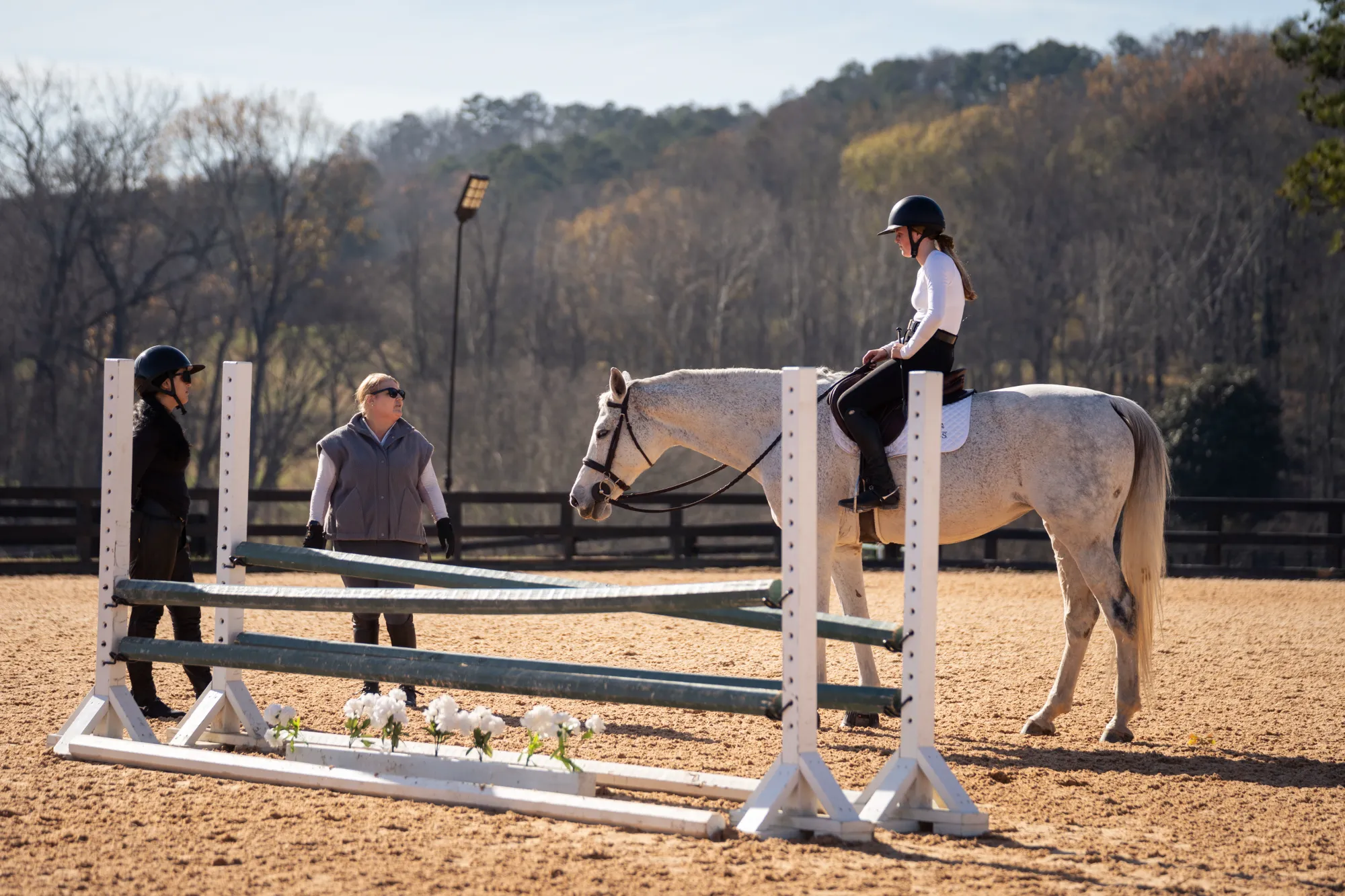
Today, The Stable at Happy Valley Farms carries that legacy forward through modern facilities, professional instruction, and a growing hunter-jumper program that serves riders of all ages and skill levels.
4. Revitalization: The Next Chapter of Happy Valley Farms
Just as Happy Valley Farms evolved from a family estate into a dairy farm and later an equestrian destination, the property is now entering another important chapter in its history.
The property was sold at auction and subdivided with the goal of protecting the historic significance of the primary estate. Soon after, the estate was purchased by Regina and Jim Anthony, whose vision for the farm centers on restoration, stewardship, and creating new opportunities for people to experience the property.
As a North Georgia native, Regina was drawn to the beauty, history, and potential of Happy Valley Farms. Together, the Anthonys have undertaken an ambitious effort to revitalize the 220-acre estate while preserving the character that has made it special for generations.
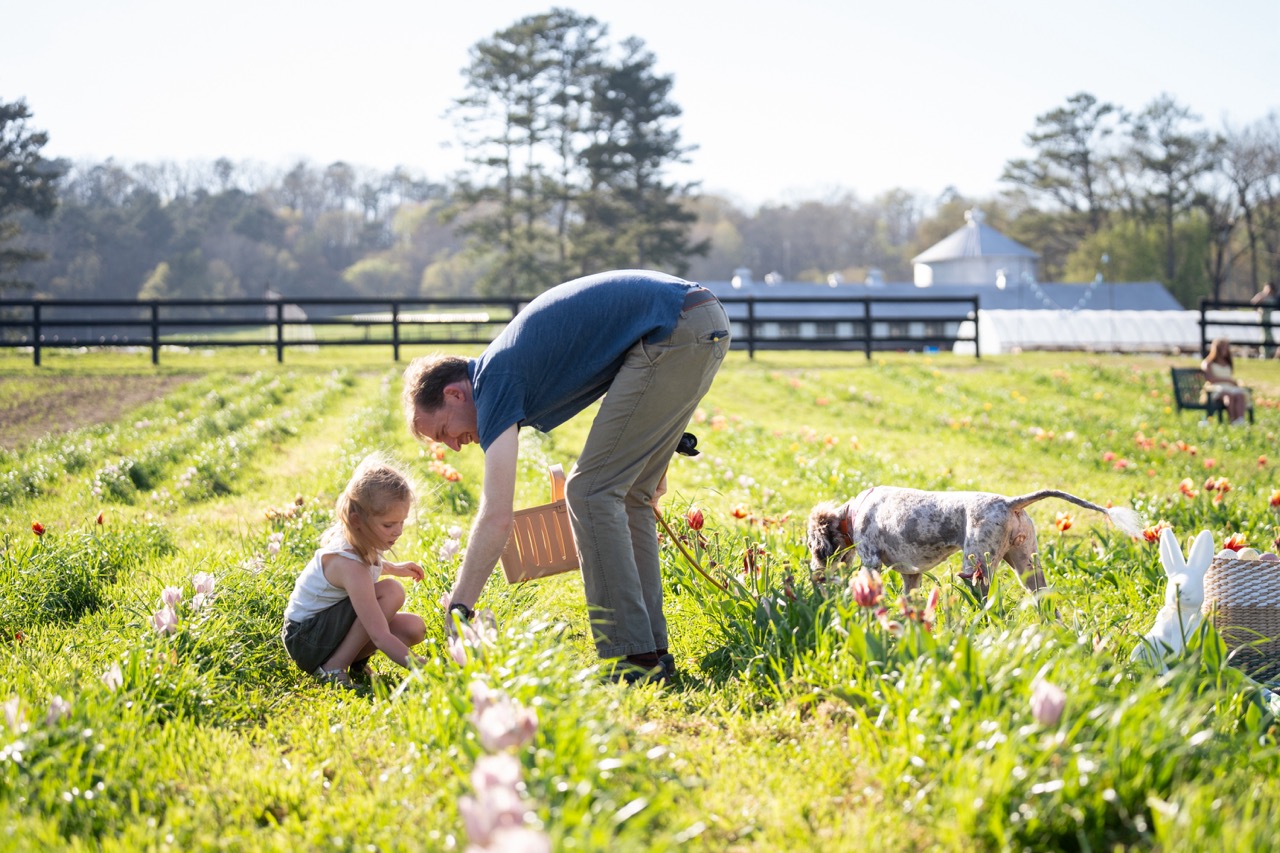
Historic buildings are being restored. Gardens and gathering spaces are being renewed. New experiences are being thoughtfully introduced while honoring the legacy of those who shaped the property before them. The goal is not to reinvent Happy Valley Farms, but to ensure that it continues to serve future generations just as it has served previous ones.
A Legacy Still Unfolding
The history of Happy Valley Farms is not defined by any single era. Rather, it is the combination of many chapters that makes the property unique.
From the vision of John L. Hutcheson Jr. and the creation of a remarkable estate, to decades of dairy farming, the growth of a respected equestrian program, and today's revitalization efforts, the farm has continually adapted while remaining true to its roots.
Nearly a century after its founding, Happy Valley Farms continues to evolve. Its story is one of stewardship, resilience, and renewal, a place where history is preserved, traditions are honored, and new memories are being made for generations to come.


.webp)